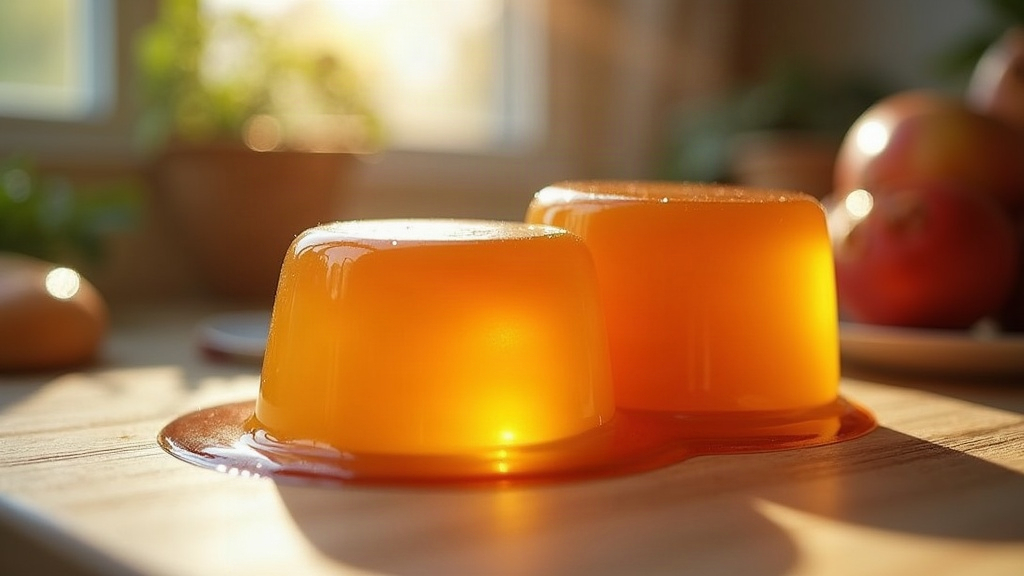
From kitchen traditions to modern collagen conversations, gelatin has long been part of how women think about nourishment, fullness, and daily routines.
Across generations, women have noticed that the habits that once felt effortless — energy, fullness, routine — can shift with time. This overview looks at four commonly discussed changes.
Many conventional diet plans focus narrowly on calorie counts, overlooking how satiety, texture, and daily rituals influence long-term habits.
As the years pass, shifts in lean body composition are a normal part of life, prompting many women to rethink protein-rich staples in their kitchens.
Feeling satisfied after a meal isn't only about portion size — texture and protein source are often discussed as part of how full a meal feels.
Interest in collagen-rich foods, including gelatin, has grown as more women explore traditional ingredients alongside modern nutrition conversations.
Metabolism and body composition are frequently discussed topics — and often oversimplified. Here is some added context.
Metabolism is fixed and cannot be influenced by daily habits.
Everyday routines — sleep, movement, and meal patterns — are commonly discussed factors that relate to how the body processes energy over time.
Cutting out entire food groups is the only way to manage weight.
Many nutrition educators emphasize balance and variety rather than elimination, noting that traditional ingredients like gelatin have long been part of varied diets.
Feeling less full after meals has nothing to do with nutrition.
Protein content and food texture are frequently cited as factors that relate to how satisfied a meal feels.
No single approach fits everyone, but some women find it helpful to start with these general steps.
Start by observing existing routines — meals, sleep, and movement — without judgment.
Some women look into kitchen staples, such as gelatin-based recipes, that have been part of culinary traditions for generations.
Small, repeatable habits are often discussed as more sustainable than short-term overhauls.
Long before modern supplements, gelatin derived from slow-cooked bones and connective tissue was a staple in kitchens around the world — used in broths, aspics, and desserts passed down through generations. This tradition reflects a broader culinary interest in using whole ingredients thoughtfully.
Insight: The renewed interest in collagen and gelatin today echoes practices that were once simply part of everyday cooking, not a specialized product category.
Noticing changes in daily energy is common and may prompt some women to reconsider sleep, nutrition, and hydration habits.
Nails that seem more brittle than before are sometimes discussed in relation to protein and nutrient intake.
Some women mention noticing joint stiffness as part of natural changes over time, unrelated to any specific diagnosis.
Feeling hungry sooner after meals is a pattern some women observe and attribute to shifts in satiety signals.
Body composition can shift over time, which is a normal part of aging discussed widely in wellness communities.
Changes in skin firmness are commonly noted alongside broader conversations about collagen-rich foods like gelatin.
Testimonials reflect individual experiences and opinions. Individual results may vary, and these statements are not intended as guarantees or claims of any specific outcome.
Hydrolyzed gelatin is gelatin that has been broken down into smaller components for easier mixing, often discussed in the context of traditional protein sources.
No. This content is for general educational purposes only and is not a substitute for professional medical guidance.
No. This page discusses general wellness topics and does not make any claims about weight loss or specific results.
Gelatin is traditionally derived from collagen found in connective tissue and bones, and has been used in cooking for centuries.
Gelatin is a cooked form of collagen; the two are closely related but processed differently.
Women interested in learning more about traditional ingredients and everyday wellness habits may find this overview helpful.
Yes. Always consult a qualified healthcare professional before making changes to your diet or routine.
Watch the complete video to learn more about the traditions, habits, and ingredients discussed in this overview.
Advertising Disclosure: This page contains sponsored content and affiliate links. We may receive compensation if you make a purchase through links on this page. This does not affect the price you pay.
Content Disclaimer: This content is for educational purposes only and has not been evaluated by the FDA. It is not intended to diagnose, treat, cure, or prevent any disease. Always consult a qualified healthcare professional before making changes to your diet, exercise, or wellness routine.
Results Disclaimer: Individual results may vary. Testimonials shared on this page reflect personal experiences and are not a guarantee of specific outcomes for any individual.
© 2026 · All Rights Reserved · Contact: /contact/